When you click the link, it will take you to the corresponding page.
ディナーコース
雑煮
白味噌仕立て
鱒と鱒子の蒸し寿司
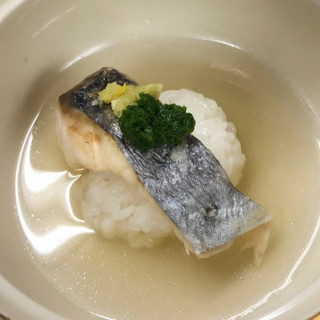
Mushi Sushi (むしずし) is a type of traditional Japanese sushi, especially popular in the Kansai region. Unlike regular sushi, Mushi Sushi is steamed, which is its main characteristic. It was created as a way to enjoy warm sushi during the cold seasons. The key feature of Mushi Sushi is that steaming keeps the rice and ingredients warm, making it delicious even in cold winter. Steaming also makes the rice fluffy and enhances the flavors of the ingredients. Another notable aspect is its beautiful appearance, often with vibrant garnishes. The ingredients used in Mushi Sushi vary by region and household, but typically include sushi rice, main ingredients, eggs, seasonings, and garnishes. Sushi rice is prepared with vinegared rice, forming the base of Mushi Sushi. Common main ingredients include sea bream, eel, shrimp, shiitake mushrooms, and lotus root, with sea bream and eel being particularly representative of Mushi Sushi. Eggs, in the form of thinly sliced omelette or scrambled eggs, add color. Seasonings like sugar, salt, and vinegar are used, and the ingredients are sometimes marinated with soy sauce or mirin. Finally, garnishes such as ikura (salmon roe), snap peas, and mitsuba (Japanese parsley) are often added for extra color and flavor. Due to its warmth and variety of ingredients, Mushi Sushi is frequently seen at special events and celebrations. Its beautiful appearance and rich flavors make it a perfect dish for the cold season. Steaming allows the umami of the ingredients to soak into the rice, creating a harmonious and delightful overall taste.
旬魚のしゃぶしゃぶ
自家製ポン酢
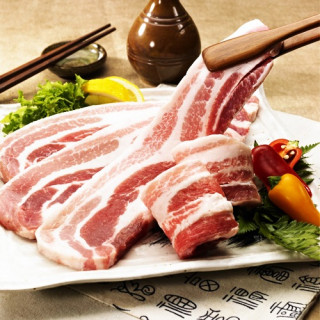
豚バラとインカの目覚めの朴葉焼き
Pork belly is located in the abdominal part of the pig's body, characterized by layers of fat and lean meat. Therefore, it is also called "three-layer meat" in Japan and is used to make bacon. Due to its high-fat content, it is suitable for braised and grilled dishes. It remains juicy even after long cooking times, making it a common ingredient in braised dishes and ramen toppings. In Korean cuisine, samgyeopsal is a type of grilled meat eaten with vegetables, mainly using pork belly. Its high-fat content allows it to be grilled to a crispy texture while remaining juicy. In Chinese cuisine, pork belly is used in various dishes such as hongshao rou (red-braised pork) and huiguorou (twice-cooked pork). Pork belly imparts rich flavor and umami to dishes due to its abundant fat content, making it an essential ingredient in many recipes. It is suitable for various cooking methods, including grilling, braising, and stir-frying. In Japan, common dishes using pork belly include braised pork, pork miso soup, and nikujaga (meat and potato stew), frequently appearing on household dining tables. Furthermore, thinly sliced pork belly is widely used in hot pot dishes and stir-fries. For example, in sukiyaki and shabu-shabu, thinly sliced pork belly is used, offering a tender texture and rich flavor. Especially in winter, it is popular as an ingredient in hot pot dishes, providing balanced nutrition and rich taste when cooked with vegetables and tofu.
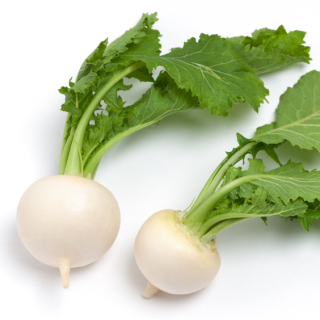
旬魚のカブ蒸し
It is similar in appearance to radish but has nothing related to radish. They are Brassicaceae vegetables identical to cabbage, rape, cabbage, etc. In Japanese called Kabu (蕪,かぶ). Roots and leaves are edible; the root is circular; there are white, red, yellow, purple and other colours. It is a popular vegetable in Taiwan, and dishes containing turnips are also occasionally found in Hong Kong. In Japan, turnip is a vegetable that has long been used for cooking at an affordable price to the people and is cultivated throughout Japan. In South Korea, turnips from Ganghwa Island are the most famous.
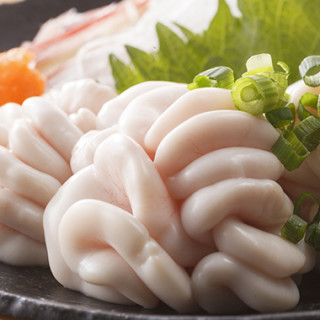
漬け白子
"Shirako" is a Japanese term referring primarily to the white reproductive organ (milt) found in the belly of male fish. The mature shirako of fish like cod, anglerfish, and pufferfish is known for its delicious taste and is frequently used in various dishes, such as raw salads, soups, hot pots, and grilled dishes. The reproductive organ (eggs) of female fish is called "goni". In sushi restaurants, grilled pufferfish milt is especially popular for its creamy and exquisite flavor.
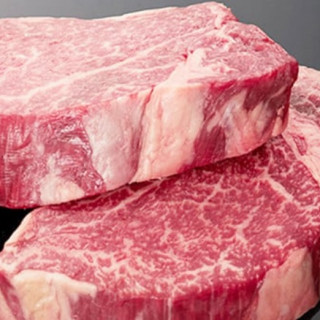
伊万里牛のしゃぶしゃぶ 風呂吹き大根
鮟鱇の唐揚げ
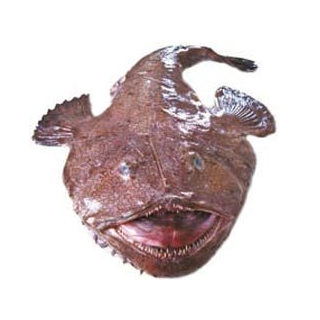
The anglerfish is a deep-sea fish recognized for its large mouth and unique appearance. Its name, "anglerfish," comes from the rod-like bioluminescent organ it uses to lure prey. The meat of the anglerfish is mild, tender, and has a refined flavor, making it highly valued. Its liver, known as "ankimo" in Japanese, is especially prized as a delicacy for its rich, creamy texture and deep flavor. Winter is the prime season for anglerfish, and in sushi restaurants, ankimo is commonly served with ponzu sauce and garnishes as nigiri or gunkan-maki. Beyond sushi, ankimo is also used in steamed dishes or mixed salads, making it a versatile ingredient in Japanese cuisine and a favorite among seafood enthusiasts.
蒸しアワビ
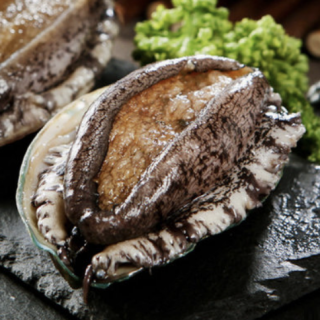
Abalone is a type of shellfish highly valued for its unique taste and texture. It is characterized by its hard shell and firm flesh, which releases a rich, savory flavor as you chew. The best season for abalone is summer, particularly from July to September when it is most delicious. In Japanese cuisine, abalone is used in various ways. For example, abalone sashimi allows you to enjoy the fresh taste of abalone. Abalone steak, simply prepared with butter and soy sauce, maximizes the abalone's natural flavors. Abalone rice, made by cooking rice with abalone broth and topping it with thinly sliced abalone, offers a deep taste experience. Additionally, abalone liver sauce, used in pasta or rice dishes, is also popular for its rich flavor.
しらすを使った豆飯
山葵, 自家製七味
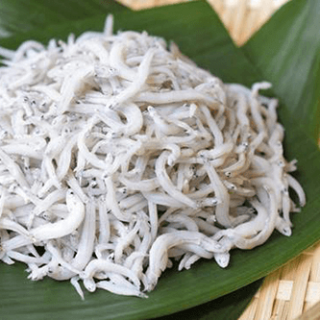
"Shirasu" is a general term referring to white-bodied fish such as eel, sardine, mackerel, and smelt. However, when it is commonly referred to as "Shirasu" in the market, it usually refers to young sardines. Depending on the season, they can be eaten raw or are typically prepared as "Kamaage Shirasu" (steamed young sardines) or "Shirasu Boshi" (dried small fish). "Shirasu" can be served on top of rice to make "Shirasu-don" (rice bowl with young sardines), or it can be combined with grated daikon radish and used in dishes like pasta or omelets in Western cuisine.
苺と日本酒のジュレ、柚子レモンのシャーベット